Gardens & floral design
Gardens and floral design sit at the crossroads of horticulture, art, and practical living. Whether you’re arranging eucalyptus stems in a minimalist vase, planning a cutting garden to fill your home with seasonal blooms, or designing a perennial border that supports pollinators, this discipline demands both creative vision and botanical knowledge. It’s not simply about making things look pretty—it’s about understanding how plants grow, how spaces function, and how design choices ripple through every season.
This comprehensive resource brings together the foundational principles you need to approach gardens and floral design with confidence. From the practicalities of soil pH and site assessment to the nuances of botanical styling indoors, you’ll discover why certain design decisions work, how to avoid common pitfalls, and when to break the rules. Whether you’re a novice gardener transforming a small British back garden or an interior enthusiast navigating north-facing rooms, the insights here will equip you to make informed, intentional choices that blend beauty with function.
Botanical Interior Styling: Bringing the Garden Indoors
Indoor botanical displays have evolved far beyond a token houseplant on a windowsill. Modern floral design for interiors considers light conditions, spatial proportion, seasonal rotation, and the balance between living and preserved materials. Understanding these variables transforms decorating with plants from guesswork into deliberate design.
Working With Challenging Light Conditions
North-facing rooms and windowless bathrooms present the toughest scenarios for live plants. In low-light British living rooms, only a select group of species—such as pothos, snake plants, and certain ferns—will genuinely thrive rather than merely survive. The key is matching botanical choices to available lumens, not wishful thinking. Premium faux alternatives have become remarkably convincing, and in spaces with zero natural light, they often outperform struggling real plants that become leggy and pale.
Layering Heights to Expand Visual Space
One of the most effective yet underused techniques involves positioning plants at three distinct height levels: floor-standing specimens, mid-level surfaces, and hanging or high-shelf placements. This vertical layering draws the eye upward and creates depth, making compact rooms feel substantially larger. A trailing philodendron cascading from a bookshelf, a tabletop monstera, and a tall bird of paradise combine to establish rhythm and visual breathing room.
Seasonal Display Rotation
Static displays grow stale. British homes particularly benefit from four seasonal shifts that mirror the garden’s natural cycle: fresh spring bulbs and blossom branches, lush summer foliage, warm autumn tones with dried grasses, and evergreen winter arrangements with berries and conifers. These rotations keep interiors dynamic and harmonize indoor spaces with the world outside your windows.
Foliage Walls Versus Flower Walls
When budgets matter, foliage walls deliver approximately 60% cost savings compared to flower-based installations while maintaining comparable visual impact. Eucalyptus, ivy, ferns, and mixed greenery create textural depth without the expense and fragility of massed blooms. For permanent installations, this economic advantage becomes even more pronounced over time.
Dried Botanicals for Year-Round Décor
Preserved plant materials bridge the gap between fresh flowers’ ephemeral beauty and permanent artificial décor. When handled correctly, dried botanicals offer months of display life, but common mistakes can turn elegant arrangements into shedding, dusty eyesores.
Eucalyptus: Fragrance and Versatility
Eucalyptus ranks among the most forgiving dried materials. Air-drying takes approximately seven days when stems are hung upside-down in a warm, dark, well-ventilated space. Once dried, eucalyptus retains subtle fragrance for months. Positioning is crucial—place stems near entryways or seating areas for gentle scent diffusion, but avoid clustering too much in small rooms where the medicinal aroma can become overwhelming rather than refreshing.
The Pampas Grass Dilemma
Few botanical trends have proven as polarizing as pampas grass. Its dramatic plumes create stunning focal points, but purchasers quickly discover why it sheds fluffy fragments across floors and furniture. The solution involves spray-sealing immediately after purchase—a ten-minute process using hairspray or specialized sealant that reduces shedding by roughly 90%. Beyond maintenance, aesthetic restraint matters: sparse, architectural placement reads as elegant and contemporary, while excessive clustering veers into dated territory.
Critical Safety Considerations
Dried plant material is, fundamentally, kindling. Placing pampas grass, wheat bundles, or any preserved botanicals near candles, fireplaces, or heat sources creates genuine fire risk. This isn’t theoretical caution—dried grasses ignite rapidly and burn intensely. Maintain a minimum safe distance from all flame and heat sources, treating dried arrangements with the same respect you’d give paper decorations.
Planning and Planting a Productive Cutting Garden
A dedicated cutting garden transforms how you experience both gardening and home decoration. Rather than hesitating to snip blooms from ornamental borders, you cultivate flowers specifically for harvesting—an entirely different mindset that prioritizes productivity alongside beauty.
Designing for Maximum Yield in Limited Space
Even a modest 6m × 4m British back garden can generate abundant cut flowers when designed as dedicated production space rather than ornamental display. Row planting in narrow beds (60-90cm wide) with access paths maximizes growing area while allowing easy harvesting. This utilitarian approach differs markedly from decorative border design—think vegetable garden efficiency applied to flowers.
Soil Challenges and Plant Selection
Heavy clay soil frustrates many British gardeners, but certain cut flowers tolerate these conditions remarkably well. Dahlias, rudbeckia, and many late-summer perennials handle clay without constant amendment, while sweet peas and zinnias struggle unless drainage improves. Matching species to existing conditions saves endless soil-improvement labor and produces healthier, more productive plants.
Succession Sowing for Continuous Harvest
Staggered sowings represent the single most important technique for extended bloom. Rather than sowing all zinnia seeds in April, sow batches every two weeks from April through June. This creates overlapping waves of flowering from May through October rather than one glorious but brief peak in July. The principle applies equally to cornflowers, cosmos, and most annual cut flowers.
Spacing for Productivity
Counterintuitively, tighter spacing often reduces rather than increases harvest. Zinnias planted at 15cm intervals compete for resources, producing fewer and smaller stems than the same number of plants at 30cm spacing. Each plant needs adequate root zone and air circulation to generate the strong stems and large blooms that make desirable cut flowers.
Designing Garden Borders That Perform Across Seasons
The difference between a plant collection and a designed garden lies primarily in structure, layering, and intentional composition. Many gardeners accumulate beloved species without considering how they function together as a cohesive whole.
The Front-Middle-Back Height Principle
Flat borders fail because viewers perceive them as a muddled line of vegetation rather than a dimensional composition. The classic height gradient—low edging plants (15-30cm) at the front, medium perennials (45-90cm) in the middle, and tall specimens (120cm+) at the back—creates depth and ensures every plant remains visible. This isn’t rigid formula but essential framework, occasionally broken by bringing a tall, airy plant forward for dramatic effect.
Evergreen Structure as Foundation
Flowers come and go; structure remains. Evergreen elements—boxwood spheres, yew hedging, phormiums, or ornamental grasses—provide year-round architecture that prevents borders from collapsing into shapeless masses in winter. These structural plants matter more than any individual flowering species because they define spaces and create rhythm regardless of season.
Color Palette Planning
When everything blooms simultaneously without a planned palette, borders can look chaotic rather than exuberant. Successful schemes typically limit themselves to three or four colors that harmonize: perhaps purple, pink, and silver, or hot oranges and reds with bronze foliage. This restraint creates cohesion even when multiple species flower together.
Hardscaping as Design Element
Approximately 40% hard landscaping—paths, patios, edging, gravel areas—dramatically reduces maintenance while strengthening design. These non-planted elements provide visual rest, define spaces clearly, and reduce the square footage requiring weeding and care. A beautifully designed garden balances planted abundance with intentional emptiness.
Understanding Your Garden’s Foundation: Site and Soil
The most beautifully conceived design fails when fundamental site conditions go unassessed. Light levels, soil type, and pH determine what will genuinely thrive versus perpetually struggle, making site analysis the true starting point of successful garden design.
The Site Assessment You Cannot Skip
Sun-loving lavender planted in shade becomes leggy and fails to flower. Shade-preferring hostas in full sun develop scorched, tattered leaves. Observing your space across different times of day and seasons reveals actual light conditions rather than assumptions. What seems sunny in June may be heavily shaded by deciduous trees in May and September when many plants establish or set buds.
Soil pH and Its Profound Effects
The mystery of neighboring hydrangeas blooming different colors typically traces to soil pH. Acidic soils (pH below 6.5) produce blue hydrangea flowers, while alkaline conditions (pH above 7) shift the same varieties pink. Simple test kits costing roughly £5 from garden centers reveal your soil’s pH in minutes, informing everything from plant selection to targeted amendments.
Regional Soil Variations
British gardens demonstrate remarkable soil diversity across relatively short distances. Kent’s chalky alkaline soils contrast sharply with Cornwall’s acidic clay. These regional differences explain why rhododendrons flourish in one county but languish in another, why certain vegetables thrive for your neighbor but fail in your patch. Understanding local geology prevents fighting your site’s intrinsic nature.
Amending Soil Thoughtfully
While lowering pH for specific acid-loving plants like blueberries is achievable using sulfur, myths persist about quick fixes. Adding vinegar to soil doesn’t create lasting pH change—it’s neutralized rapidly and can harm beneficial soil organisms. Sustainable pH modification requires proper amendments applied correctly, and sometimes the wisest choice is simply growing plants suited to existing conditions.
Creating Gardens That Support Wildlife
A garden can be visually stunning and ecologically functional simultaneously—these goals aren’t mutually exclusive. Understanding what wildlife genuinely needs, however, often contradicts conventional horticultural advice about tidiness and pest control.
Why Some Wildlife Gardens Fail
A garden labeled “wildlife-friendly” may attract fewer bees than a neighbor’s lawn if it lacks the specific resources pollinators need: nectar-rich flowers in bloom throughout the growing season, not just spring or high summer. Single-flowered varieties typically offer more accessible pollen and nectar than highly bred double forms. Sequential bloom matters more than plant quantity.
The Hidden Value of Messiness
Ground beetles—voracious predators of slugs, snails, and other pests—require leaf litter, log piles, and undisturbed ground to complete their lifecycle. Overly tidy borders eliminate the habitat these beneficial insects need. Similarly, leaving perennial stems standing through winter provides crucial overwintering sites for beneficial insects while adding structural winter interest.
Natural Pest Control Through Ecosystem Balance
Spraying aphids seems logical until you recognize you’re simultaneously killing the ladybirds, lacewings, and hoverfly larvae that would control aphid populations naturally. Tolerating minor pest presence maintains predator populations that provide long-term balance. This requires patience and reframing what constitutes acceptable plant damage, but results in more resilient gardens requiring less intervention over time.
Gardens and floral design reward both careful planning and ongoing observation. The principles outlined here—from understanding your soil’s pH to layering heights indoors, from succession sowing to supporting beneficial insects—form an interconnected foundation. As you apply these concepts to your specific space and preferences, you’ll discover which elements resonate most strongly with your goals and begin developing the intuition that distinguishes confident designers from uncertain beginners.
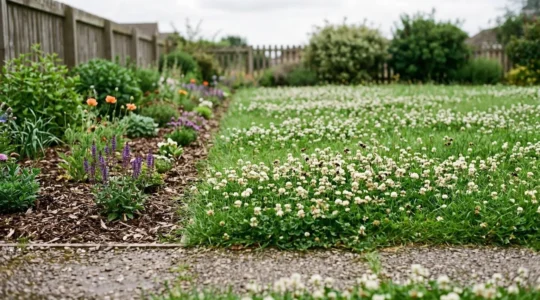
Why Does Your “Wildlife Garden” Attract Fewer Bees Than Your Neighbour’s Lawn?
The frustrating truth is that a garden full of “pollinator-friendly” plants can fail if it ignores the single most important factor: foraging efficiency. Bees are not browsers; they are efficient foragers who need large, obvious patches of a single food…
Read more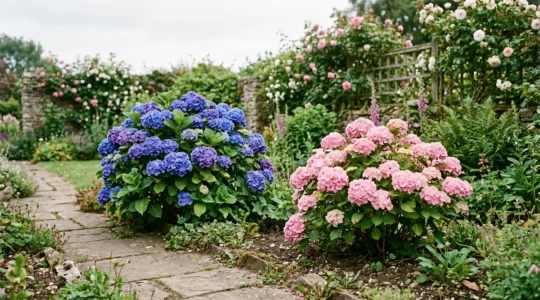
Why Do Your Hydrangeas Bloom Pink When Your Neighbour’s Are Blue?
The colour of your hydrangeas isn’t just about adding a product; it’s a direct expression of your garden’s unique geological signature and the specific micro-environments within it. Soil pH is the trigger, but it’s the underlying geology (like chalk in…
Read more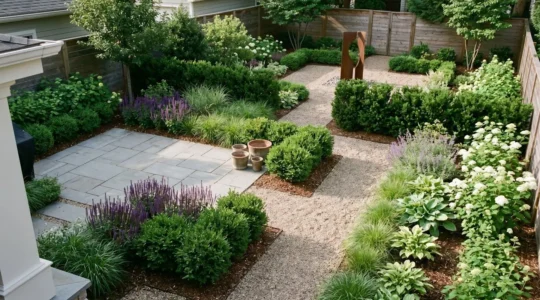
Why Does Your Garden Look Like a Plant Collection Rather Than a Designed Space?
The key to transforming a random collection of plants into a cohesive garden is to shift focus from flowers to a permanent architectural framework. Cohesion comes from a strong evergreen structure and well-defined hardscaping that provides year-round form. A limited…
Read more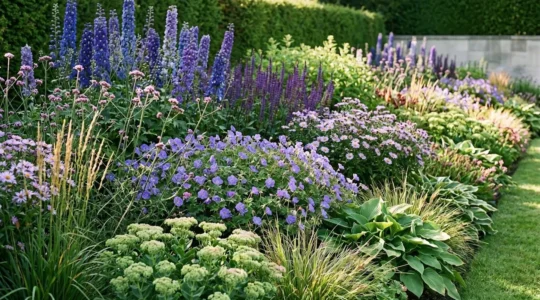
How to Create a Perennial Border That Flowers From April to October?
The secret to a long-flowering border isn’t a list of ‘star’ plants; it’s a design philosophy that treats your garden as a 12-month performance. Prioritise permanent evergreen structure (the ‘bones’) before choosing a single flower (the ‘actors’). Use rhythmic repetition…
Read more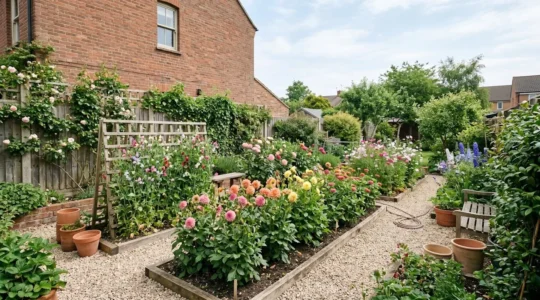
How to Design a Cutting Garden in a 6m x 4m British Back Garden?
Transforming a small 6x4m British garden into a productive cutting patch isn’t about finding more space; it’s about strategic engineering and ruthless efficiency. Success depends on choosing plants that tolerate your specific soil, not just ones you love the look…
Read more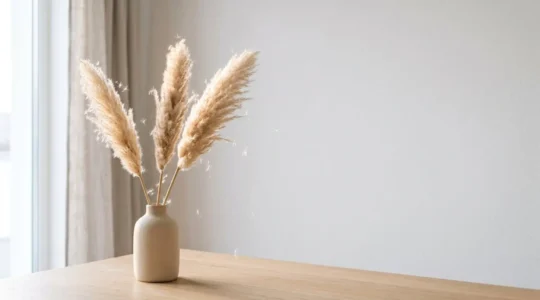
The Pampas Grass Problem: Why It Sheds Everywhere & How to Finally Stop It
In summary: Pampas grass sheds due to its natural seed-dispersal lifecycle, which is worsened by post-harvest processing like bleaching and compression during shipping. A simple, 10-minute sealing process using a clear matte spray (not hairspray) can stop over 90% of…
Read more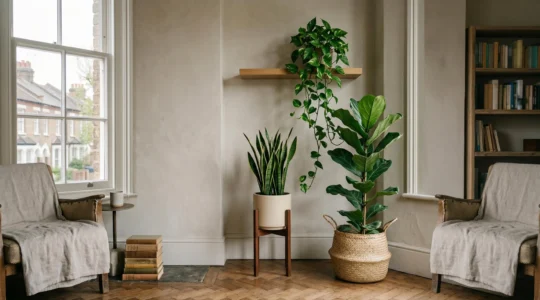
How to Style Botanical Décor in a North-Facing British Living Room Without Killing Your Plants?
The secret to a thriving, stylish plant-filled home isn’t just choosing ‘low-light’ plants; it’s adopting a designer’s mindset of “botanical architecture.” Layering plant heights is a core technique to create the illusion of space and depth in compact rooms. Evergreen…
Read more