Occasions & events
When you picture flowers at an event, you might imagine effortless elegance—centrepieces that seem to have appeared magically, or a ceremony arch framing vows against a perfect backdrop. The reality behind event florals is far more complex: a careful choreography of timing, structural engineering, horticultural knowledge, and logistical precision. A single misstep in scheduling can leave blooms wilted by the time guests arrive. An overlooked venue regulation can add hundreds of pounds in access fees. A beautiful installation can become a structural hazard without proper load testing.
This guide explores the practical realities of event floral design—not to discourage, but to equip you with the knowledge that professionals use to create those seemingly effortless moments. Whether you’re planning a 200-guest corporate gala, a romantic wedding, or a weekend festival, understanding the mechanics behind floral installations will help you make informed decisions, communicate effectively with florists, and set realistic expectations for both budget and outcome.
The articles in this category dive deep into specific challenges and solutions. Here, we’ll establish the foundational principles that connect all event floral work: why timing matters more than most clients realise, how venues dictate design possibilities, what drives professional pricing, and where strategic placement creates maximum impact for your investment.
Why Floral Design for Events Requires More Than Aesthetic Vision
Creating event florals is not simply enlarged bouquet-making. It’s a discipline that sits at the intersection of horticulture, engineering, and spatial design. A florist must understand the lifecycle of each bloom species—when Heliconias reach peak visual impact, how long garden roses can survive without water, which flowers release scent or pollen that might trigger allergies in enclosed venues.
But botanical knowledge alone isn’t enough. Large installations involve structural considerations that would surprise most clients. A 2-metre floral cloud, for instance, doesn’t just require artistic vision; it demands understanding of rigging points, weight distribution, and water retention. That ethereal ceiling installation weighs significantly more than it appears—often 50 kilograms or more once water-filled foam and structural support are factored in.
Then there’s the venue itself. A listed building may prohibit ceiling attachments entirely. A marquee might lack the infrastructure for suspended elements. A hotel ballroom might charge early-access fees that transform a manageable budget into an expensive proposition. Professional event florists spend as much time managing these practical constraints as they do selecting colour palettes.
The Hidden Skills Behind Seamless Installations
When a floral installation looks effortless, it’s because someone anticipated problems you’ll never see. They tested the venue’s ceiling hooks for load capacity. They scheduled deliveries to coincide with specific bloom stages. They positioned uplighting to enhance rather than flatten the installation. They designed waterless solutions for overhead arrangements to prevent dripping on guests below.
This is why professional pricing often shocks clients who see only “flowers”—they’re not just purchasing stems, but decades of accumulated problem-solving knowledge and the physical labour of multiple installers working in tight timeframes.
Planning Your Event Florals: Timing, Budgets and Realistic Expectations
Timing in event florals operates on multiple scales simultaneously. There’s the macro timeline—when to book your florist, when to finalise designs, when to source specialty props like vintage brass urns. Then there’s the micro timeline—the exact day to receive cut flowers for peak freshness, the precise installation window to keep arrangements vibrant through a 12-hour event.
For a Saturday wedding, the freshness timeline works backwards from your ceremony hour. Most blooms hit peak condition 2-3 days after cutting, which means your florist needs to receive wholesale deliveries by Wednesday or Thursday. Installing too early risks wilting; arriving too late risks incomplete setups or venue access complications.
Budget Transparency and Cost Drivers
Understanding what drives floral costs helps set realistic expectations. The primary cost factors include:
- Labour intensity: A £20,000 wedding installation might require 4-6 florists working simultaneously for hours to complete setup within venue time constraints
- Flower seasonality and rarity: Locally-grown seasonal blooms cost substantially less than imported specialty varieties
- Installation complexity: Ground-level centrepieces require minimal setup; ceiling installations demand rigging equipment, safety protocols, and specialised skills
- Venue constraints: Limited access windows, strict regulations, or facilities requiring special insurance all add costs
Many articles in this category address specific budget challenges—how to create an English cottage garden aesthetic without a £10,000 spend, or transform a blank marquee for under £3,000. The key principle across all budgets is strategic allocation: investing heavily in high-impact focal points while scaling back on elements guests barely notice.
The Contract Details That Prevent Costly Surprises
Professional floral contracts include clauses most clients overlook until problems arise. Substitution clauses, for instance, allow florists to replace unavailable blooms with similar alternatives—a sensible provision for an agricultural product, but one that can cost couples hundreds of pounds in disputes if not clearly defined upfront.
Similarly, contracts should specify who handles venue liaison for access timing, what happens if setup windows shift, and whether installation pieces can be moved post-ceremony (many couples want to relocate the ceremony arch to the reception for double impact, but this requires planning and additional labour).
Wedding Flowers: From Cottage Garden Romance to Modern Installations
Wedding florals encompass the widest aesthetic range in event design—from tightly structured formal arrangements to wild, meadow-inspired installations that appear to have grown in place. Each style carries different practical implications.
The increasingly popular English cottage garden look—loose, abundant, featuring roses, delphiniums, sweet peas, and trailing greenery—appears deceptively simple. In reality, it requires more stems and more conditioning time than structured designs, because the “casual” effect depends on using blooms at various stages of opening, with varied stem lengths and textures.
Installation Types and Their Venue Requirements
Your venue’s physical characteristics should guide your installation choices:
- Suspended floral clouds: Require secure rigging points, load-tested ceiling infrastructure, and venues that permit attachments—often impossible in listed buildings or hired marquees
- Statement urns and large ground installations: Work in venues with ample floor space and stable surfaces; less practical in marquees with uneven grass bases
- Meadow-style floor installations: Suit barn venues and rustic spaces but require substantial stem counts to create visual impact
- Entrance arches: Generate significant social media engagement but are vulnerable to wind damage in exposed locations—a £2,000 installation can be destroyed in minutes by unexpected gusts
One often-overlooked consideration: placement for social media impact. Entrance installations photograph far more frequently than reception centrepieces, as guests naturally capture arrival moments and use statement pieces as photo backdrops throughout the event.
Milestone Celebrations and Symbolic Choices
Beyond weddings, anniversary florals carry layers of meaning. While silver roses might seem the obvious choice for a 25th anniversary, florists who understand symbolism can suggest more personal alternatives—flowers from the couple’s wedding, blooms from a meaningful location, or varieties that hold private significance.
When one partner has passed, anniversary florals become memorial tributes, requiring sensitivity in both design and conversation. Discussing colour preferences, whether to reference past celebrations, and how to honour memory without overwhelming living family members requires emotional intelligence alongside design skill.
Corporate Event Florals: Balancing Impact with Practicality
Corporate events demand a different calculus than weddings. A 200-guest gala at a hotel ballroom prioritises brand alignment, attendee comfort, and photography-ready impact over personal expression. The flowers must enhance networking rather than obstruct sightlines, create memorable visuals without overpowering presentations, and work within budget constraints that often face greater scrutiny than wedding spends.
Conference florals present unique challenges. Scent becomes a critical consideration in enclosed spaces where attendees spend hours—heavily fragrant lilies or freesias that work beautifully in open venues can trigger headaches or allergies in poorly-ventilated conference rooms. Similarly, high pollen varieties create both allergy risks and potential damage to attendees’ professional clothing.
Maximising Budget Impact for Corporate Clients
Corporate clients benefit from understanding strategic placement. Rather than distributing budget evenly across all tables, concentrating investment in high-traffic zones creates stronger impressions:
- Entrance installations that establish event identity as guests arrive
- Bar areas where attendees congregate and linger, ensuring extended exposure to the design
- Photography zones or backdrops that will appear in event documentation and social media
- Stage or podium surrounds that frame speakers and appear in professional event photography
Transforming a plain hotel ballroom into an immersive environment for under £5,000 is achievable with this focused approach—creating one spectacular focal wall or ceiling element rather than attempting comprehensive coverage.
Post-Event Sustainability
Corporate events increasingly consider flower lifecycle beyond the event itself. Redistributing arrangements to staff desks the following morning extends value and demonstrates environmental consciousness. This requires planning logistics—who collects arrangements, how water-sensitive surfaces are protected during transport, which stems hold up well in office environments versus those that wilt rapidly once moved.
The Technical Reality of Large-Scale Floral Installations
The engineering behind substantial floral installations remains invisible to guests—which is precisely the point. A floral cloud suspended from a venue ceiling appears to float effortlessly, but creating that illusion requires methodical planning around structural capacity, hanging mechanisms, and weight management.
Ceiling attachments demand load testing before installation day. A hook that appears secure might support only a fraction of the weight a water-saturated floral installation generates. Professional installers verify rigging point capacity, often requiring venue documentation of structural specifications. Failures can be catastrophic—a £3,000 installation crashing mid-event creates safety hazards, property damage, and reputational consequences.
Rigging Methods and Venue Constraints
Different ceiling types require different approaches:
- Permanent rigging points: Purpose-built event venues often have rated attachment points designed for suspended elements—the safest option when available
- Cable drop systems: Allow suspension in venues without dedicated rigging, but require professional installation and removal
- Freestanding frames: Support “floating” installations from below rather than hanging from above—ideal for listed venues or marquees where ceiling attachment is prohibited
The choice isn’t purely aesthetic. Listed buildings often prohibit any ceiling penetration, making freestanding frames the only viable option regardless of budget.
Managing Water Weight and Drip Prevention
Water retention drives unexpected weight in floral installations. Traditional floral foam blocks, fully saturated, add kilograms beyond the visible flower mass. A 2-metre cloud installation can easily reach 50 kilograms total weight—the stems themselves might weigh 15 kg, while water-soaked foam and structural support contribute the rest.
Overhead installations also risk dripping condensation or excess water onto guests below. Professional solutions include waterless hanging techniques using individual stem tubes, or sealed systems that prevent moisture escape. These approaches require more labour and planning than traditional methods, but prevent the alternative: guests dodging water drops during a formal dinner.
Venue Transformation: Working with What You Have
Every venue presents a different starting point. A historic barn offers rustic charm but may lack electrical infrastructure for proper lighting. A blank marquee provides complete creative freedom but requires building every design element from scratch. A hotel ballroom supplies practical amenities but often features generic corporate aesthetics that need substantial softening.
Understanding how to assess and work with venue constraints rather than fighting them prevents budget waste and design frustration. A marquee transformation under £3,000 focuses on creating strategic focal points—a dramatic entrance treatment, a statement installation visible from all tables—rather than attempting to decorate every surface.
Lighting as the Invisible Multiplier
Floral installations fall flat without proper lighting, yet many clients overlook this completely. Standard venue lighting often casts unflattering shadows or washes out subtle colour gradations. Uplighting—positioning lights below and behind installations—adds depth, highlights textures, and can double the perceived impact of a modest flower budget.
Consider the physics: flowers are three-dimensional, with translucent petals that glow when backlit. Flat overhead lighting crushes this dimensionality, making even spectacular arrangements appear one-dimensional. Strategic lighting placement should be discussed during venue visits, not added as an afterthought.
Adapting Installation Style to Venue Architecture
A barn venue with exposed beams and rustic textures pairs naturally with meadow-floor installations or statement urns filled with wild, organic arrangements. Forcing a suspended modern cloud installation into this context fights the space’s inherent character and often looks incongruous.
Conversely, a sleek hotel ballroom with high ceilings and modern finishes provides an ideal canvas for architectural installations—geometric suspended elements, structured designs, or dramatic vertical arrangements that emphasise the room’s height.
Risk Management: What Can Go Wrong and How to Prevent It
Event floral work involves managing agricultural products in unpredictable conditions with immovable deadlines. Understanding common failure points helps both clients and florists prevent disasters.
Environmental threats often catch inexperienced planners off-guard. The wind tunnel effect near building corners or between structures can destroy outdoor installations with surprising speed. A £2,000 ceremony arch positioned in an exposed courtyard can collapse within 20 minutes if sudden wind picks up. Solutions include weighted bases, structural reinforcement, or repositioning to sheltered locations—but only if the risk is identified during planning.
Bloom Timing and Freshness Management
Different flowers operate on different timelines. Roses can tolerate early installation and maintain appearance through long events. Heliconias and tropical varieties need precise timing—arriving too early and they haven’t opened to full impact; too late and you’ve missed peak visual drama. A weekend festival installation might need to remain fresh from Friday setup through Sunday teardown, requiring species selection based on longevity rather than aesthetics alone.
Keeping flowers fresh through a 12-hour gala demands more than good luck. It requires understanding environmental controls (temperature, humidity, air circulation), proper hydration methods, and sometimes mid-event maintenance that remains invisible to guests.
The Pollen Problem
Lily pollen presents a specific, preventable disaster: the bright orange pollen stains fabric permanently on contact. A single brushed sleeve can ruin a wedding guest’s outfit, and multiply that across 30 guests at a reception. Professional florists remove stamens from lilies before installation, but DIY arrangements or less experienced providers sometimes overlook this critical step.
Pollen also creates allergy concerns in enclosed spaces. What works beautifully in an outdoor garden setting becomes a respiratory irritant in a conference room with limited air exchange.
Strategic Placement: Where Flowers Make the Greatest Impact
Not all locations within a venue offer equal visual return on investment. Understanding traffic patterns, photography moments, and guest behaviour helps focus budget where it creates maximum effect.
Entrance areas deserve disproportionate investment because they set expectations and create that crucial first impression. Every guest passes through this space, often pausing naturally while finding their bearings or greeting hosts. This guaranteed dwell time means entrance florals receive more cumulative viewing minutes than table centrepieces that only nearby diners observe.
The Photography Factor
Floral installations become event documentation backdrops whether you plan for it or not. Guests naturally gravitate toward visually striking elements for photos, which means a well-placed entrance arch or statement wall generates social media content throughout the event. Reception centrepieces, by contrast, rarely appear in guest photography beyond occasional table shots.
For clients prioritising social media impact or brand visibility (corporate events, influencer celebrations), this suggests concentrating budget on fewer, larger installations in high-photography zones rather than distributing evenly across all surfaces.
Why Expensive Centrepieces Sometimes Disappoint
Paradoxically, lavish table centrepieces can create flat receptions despite significant investment. The reason relates to spatial dynamics and guest experience. Once seated, guests focus primarily on their immediate table companions. They experience the overall room atmosphere peripherally, but centrepieces—especially tall arrangements that obstruct cross-table conversation—become obstacles rather than enhancements.
More effective strategies include modest table florals paired with dramatic room-perimeter installations, ceiling elements, or bar-area features that create atmosphere without interfering with the social purpose of gathering around tables.
Ultimately, event florals succeed when they enhance human connection rather than merely decorating space. The technical knowledge, horticultural expertise, and logistical precision we’ve explored all serve this fundamental purpose: creating environments where celebrations unfold seamlessly, where beauty feels natural rather than forced, and where flowers perform their ancient role of marking moments that matter.
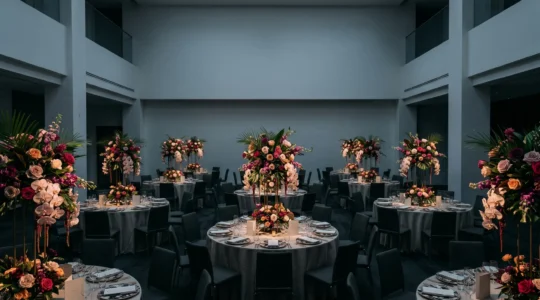
Why Does Your Reception Feel Flat Despite Expensive Centrepieces?
You’ve invested in stunning, expensive floral centrepieces, yet your reception lacks the ‘wow’ factor and guest feedback is lukewarm. The problem isn’t the quality of your flowers; it’s the strategy. This guide reveals that memorable events are built on a…
Read more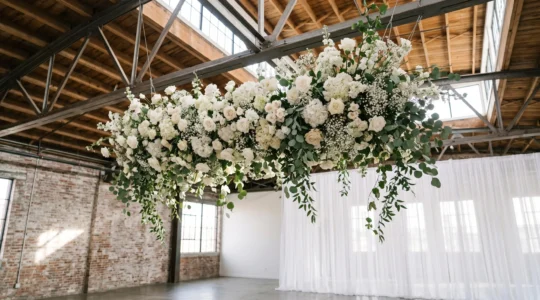
How to Hang a Floral Cloud From a Venue Ceiling Without Structural Damage?
The safety of a suspended floral installation depends on structural engineering principles, not just aesthetic choices. A fully saturated 2-metre floral cloud can weigh over 50kg, making water weight the single biggest risk factor. In listed or heritage venues, non-invasive…
Read more
What Flowers Symbolise 25 Years of Marriage Beyond the Obvious Silver Theme?
The most meaningful 25th-anniversary flowers aren’t the traditional Iris, but a ‘Floral Memoir’—a bespoke bouquet where each bloom represents a specific memory from your shared journey. Move beyond generic rules to tell your unique story through the language of flowers,…
Read more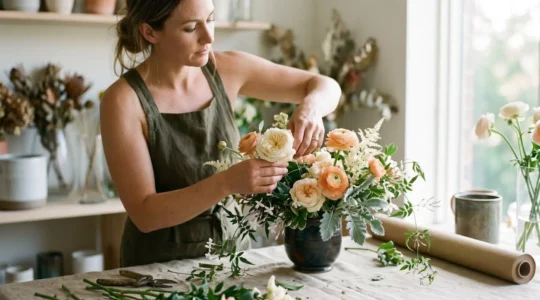
Why Do Top Wedding Florists Charge £15,000 for What Looks Like “Just Flowers”?
That five-figure floral quote isn’t a markup on “just flowers”; it’s the all-inclusive price for a flawlessly executed, ephemeral work of art. The majority of the cost covers the ‘invisible hours’ of specialised labour, complex logistics, and the high price…
Read more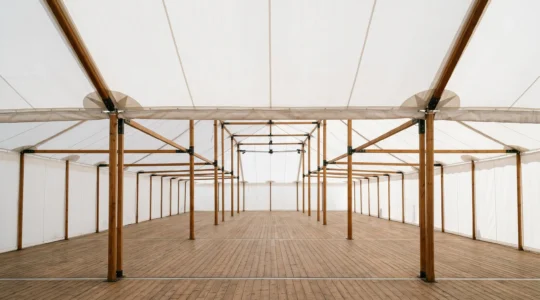
How to Transform a Blank Marquee Into an Immersive Floral Experience Under £3,000?
Creating a breathtaking floral experience isn’t about the number of stems; it’s about mastering structural engineering and the psychology of space. A single, dramatic entrance arch generates more lasting impact than dozens of table centres. The ‘wet weight’ of a…
Read more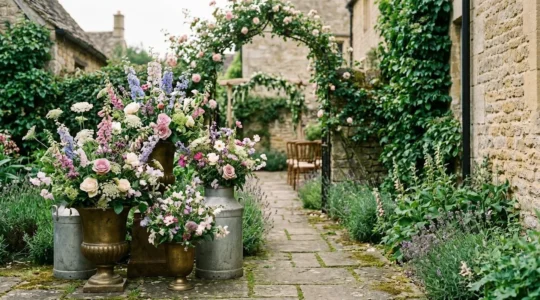
How to Create an English Cottage Garden Wedding Look Without a £10,000 Budget?
Achieving a luxurious English cottage garden wedding look is not about a massive budget, but about mastering specific design principles and resourceful sourcing. The authentic feel comes from “curated imperfection” and varying bloom sizes, not expensive flowers alone. Sustainable, foam-free…
Read more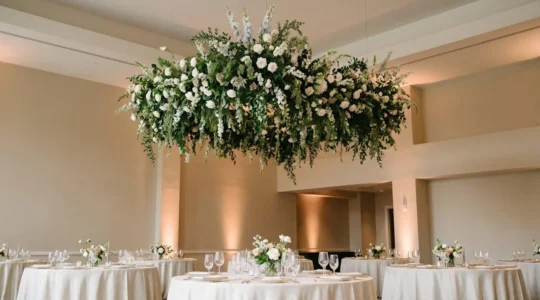
How to Transform a Plain Hotel Ballroom Into an Immersive Garden for Under £5,000?
Contrary to popular belief, you don’t need a fortune in flowers to create a jaw-dropping garden effect; you need to think like a theatrical designer. Foliage walls and strategic uplighting deliver greater visual impact for a fraction of the cost…
Read more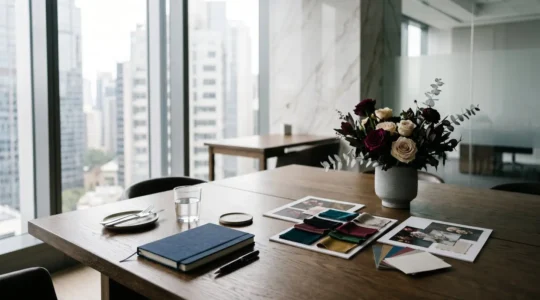
How to Brief Your Florist for a 200-Guest Corporate Gala Without Overspending?
Briefing for a corporate gala is a strategic procurement exercise, not a creative whim; success hinges on mitigating hidden costs and operational risks, not just choosing pretty flowers. The significant price difference between wedding and corporate florals is driven by…
Read more